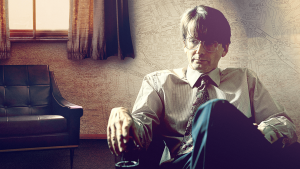


Not long into its six-season run, The Crown established itself as a global phenomenon. Writer Peter Morgan knew the secret to the monarchy’s enduring appeal: it is a high-stakes psychological performance lived out in public. His writing balances explosive historical turning points with quiet, deeply personal moments.
The best royal dramas look past the pageantry to explore the inner workings of power, showing how ancient institutions shape the people trapped inside them. Rather than treating historical figures as untouchable myths, they present them as complex human beings navigating impossible expectations.
If The Crown left you craving more of that deliciously tense atmosphere, these three shows deliver.
The Queen: A Siege of Silence
You’ll find The Crown‘s core obsessions hard at work in The Queen. Written by Peter Morgan, this concentrated chamber piece captures that same gripping energy.
Rather than taking a broad historical sweep, Morgan focuses on the volatile week following Princess Diana’s death in 1997: an existential crisis for the House of Windsor. The drama grows from the friction between Tony Blair’s media-savvy machine and Elizabeth II’s traditional isolation as the royal family indulges their default instinct to head to Balmoral and aggressively ignore the press. Much like The Crown, its strength lies in subtext, implied choices, and silent emotional shifts.
Helen Mirren (Prime Suspect) gives a flawless performance as Elizabeth II. Relying on posture, timing, and a sharp gaze, she portrays a monarch under psychological siege, conveying a woman shaped far more by what she chooses to withhold than what she dares to express. For viewers who loved watching the royals navigate modern crises in The Crown, this intimate film offers a thrilling look at a monarchy pushed to the brink.
Wolf Hall: Words as Weapons
If The Crown examines the emotional cost of sovereignty, Wolf Hall analyzes its lethal politics. Adapted from Hilary Mantel’s celebrated novels, the series travels back to the court of Henry VIII: a world defined by paranoia, subtle maneuvering, and a king whose marital advice should probably never be followed.
The writing trusts the audience’s intelligence, stripping away most unnecessary exposition. Political downfalls occur between simple lines of dialogue, and treasonous ideas are danced around rather than shouted. Director Peter Kosminsky (The Undeclared War) reinforces a sense of claustrophobic intimacy by lighting scenes almost entirely with natural candlelight.
At the center is Mark Rylance (Bridge of Spies) in a quietly commanding performance as Thomas Cromwell. Relentlessly observant, Rylance turns the simple act of listening into high drama, portraying a low-born man navigating a court where a single uncalculated answer means execution. It trades modern palace politics for Tudor backrooms, showing that a whispered conversation across a dim hallway can carry all the power of a crown.
Victoria: Forging the Sovereign
The Crown presented an established institution weathering the 20th century. Victoria, however, takes us back to the vibrant era in which that modern institution was cast.
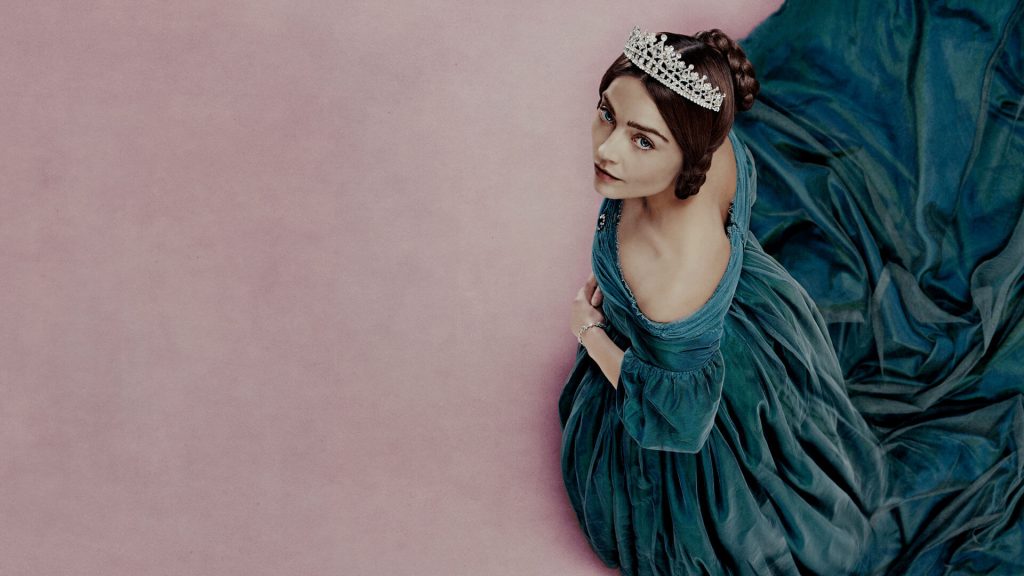
Beginning with the teenage queen’s sudden ascension, the drama excels at showing the steep, painful learning curve of sovereignty before it hardens into legend. The series focuses heavily on the vulnerability that precedes power, showing how a public role slowly consumes a private identity. Jenna Coleman (Doctor Who) brings a fiery, youthful impulsiveness to the role, clashing with calculating politicians eager to control her. In part, it works as a reminder that being handed an entire empire at eighteen is perhaps the ultimate nightmare teenage summer job.
By returning to the same state meetings and formal audiences, the show cleverly charts her growth from a nervous teenager into a confident ruler. If you want to see the exact moment the modern monarchy learned to balance duty and private life, Victoria is the perfect place to start.
Beyond the Pageantry
These stories are fascinated by what makes people tick, especially under pressure. They are made for anyone drawn to what happens behind closed palace doors when the ceremonies end.
And for anyone still captivated by the quiet battles of The Crown, a closed door, a sharp script, and a lingering look is sometimes all it takes.