

The best British police procedurals skip the usual Hollywood formula, offering a welcome change in what to expect. While standard crime shows love flashy car chases and clear-cut heroes who solve everything in 45 minutes, the British procedural operates on a slightly different, much more satisfying wavelength.
They understand something delightfully unexpected: the person in handcuffs is rarely the only source of intrigue. Instead, the real narrative tension often comes from the machine itself: the exhausting, red-tape-filled, bureaucratic world of the police force that both employs and entraps the investigators.
Writers like Jed Mercurio and Sally Wainwright know that a high-stakes committee meeting or a tense HR interrogation can be every bit as thrilling as a rooftop pursuit. The detectives on this list do more than fight crime on the streets. They actively try to do their jobs while navigating endless paperwork, office politics, and systemic pressure.
If you’re ready to trade superficial Hollywood shortcuts for smart, slow-burning suspense, these eight essential shows offer a fascinating new lens on the genre.
1. Bureaucracy as Suspense: Line of Duty, Prime Suspect
Who knew committee meetings could be this gripping? A grand tradition of the gritty British procedural is turning the camera right back onto the police department itself. In these shows, departmental politics and red tape drive the story, turning everyday administrative friction into the primary source of tension.
Line of Duty: Creator Jed Mercurio transforms institutional paranoia and administrative red tape into considerable suspense. Rather than standard street policing, the show centers on an anti-corruption unit conducting high-stakes interrogations. With sharp dialogue slicing through claustrophobic interview rooms, the verbal sparring lands with the impact of an action scene.
Prime Suspect: Helen Mirren’s lauded performance as DCI Jane Tennison redefined television drama with this exploration of workplace pressure. The show demonstrates how casual sexism and departmental pushback create an exhausting administrative maze.
2. The Geography of Trauma: Happy Valley, Unforgotten, Blue Lights
British crime fiction politely rejects the convenient “case-of-the-week” reset button. Instead, it treats crime as something deeply rooted in local history, social fractures, and long-standing community secrets.
Happy Valley: In Sally Wainwright’s ironically titled series, a crime is never an isolated incident. It is a symptom of class tension, addiction, and local neglect. Sarah Lancashire balances the exhaustion and fury of her character with admirable control.
Unforgotten: Cold cases serve as an excavator to dig up decades of buried secrets and historical trauma within suburban lives that only seem ordinary. Deliberately avoiding sensationalism, the writing allows every procedural revelation to land with a quiet, devastating emotional impact.
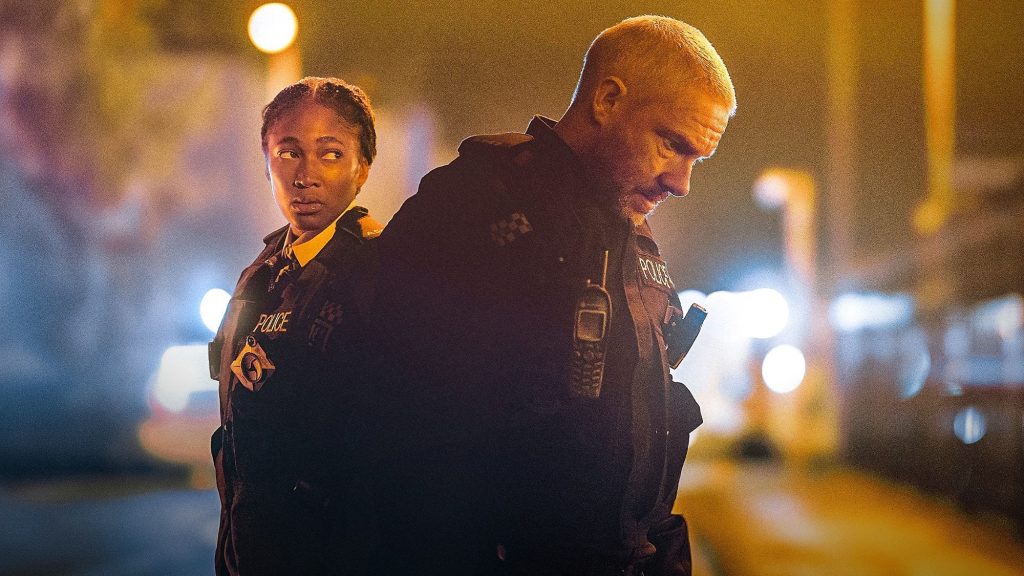
Blue Lights: A gripping, rookie-perspective drama, Blue Lights follows new response officers navigating the high-pressure streets of Belfast. The series captures how a city’s historical scars actively shape every routine call.
3. The Cost of the Gaze: Cracker, The Fall, Scott & Bailey
When the job offers no easy shortcuts, staring into the darkness for long enough inevitably changes the person doing the searching. These series excel at capturing the quiet, personal toll the profession takes on the investigators themselves.
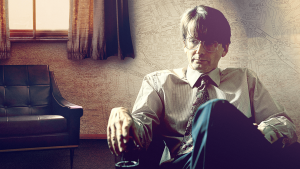
Cracker: Robbie Coltrane plays “Fitz,” a gifted but thoroughly chaotic criminal psychologist who is perpetually unraveling his own life while solving everyone else’s. Long before “prestige TV” became a marketing buzzword, Cracker refused to romanticize its characters.
The Fall: Gillian Anderson turns calculated, icy composure into her greatest strength, a striking contrast to Fitz’s messier methods. With remarkable restraint, The Fall focuses on a methodical psychological chess match.
Scott & Bailey: With memorable contributions from Sally Wainwright, Scott & Bailey proves that some of the sharpest procedural writing happens in the car on the way home from the crime scene. Grounded by the messy, lived-in banter of two overworked female detectives, it chronicles the inevitable comedy and chaos of trying to maintain a personal life when your day job is relentless.
Ultimately, what makes the gritty British procedural linger in the mind is a quiet commitment to patience over cheap spectacle. These shows respect their audience, assuming viewers are smart enough to enjoy the slow, satisfying burn of a realistic investigation.
And fair warning: once you adapt to the flawed, wonderfully human rhythm of these compromised worlds, traditional crime shows might start to feel a little too squeaky-clean.